Ever picked up a “natural” lipstick only to find it’s laced with parabens, synthetic dyes, and enough fragrance to trigger a migraine in a yoga studio? Yeah. You’re not alone. I once slathered on a foundation labeled “clean” that gave me a rash so angry, my skin looked like a rejected Pokémon card—charred edges and all. That’s when I dove headfirst into the world of indie makeup.
This post answers one burning question: what is indie makeup? But we’re going deeper. You’ll learn how it differs from mainstream “clean” beauty greenwashing, why non-toxic formulations matter beyond buzzwords, and exactly which indie brands walk the talk (spoiler: not all do). Plus, real ingredient breakdowns, founder stories, and my tried-and-tested product recs after testing over 60 indie lines in the past three years.
Table of Contents
- Why Does Indie Makeup Even Matter?
- How to Spot Real Indie Makeup vs. Corporate Imposters
- Best Practices for Choosing Truly Non-Toxic Indie Brands
- Real Indie Makeup Success Stories (That Prove It Works)
- FAQ: What Is Indie Makeup?
Key Takeaways
- Indie makeup = independently owned, transparently formulated, and often prioritizes non-toxic, ethically sourced ingredients.
- Not all “clean” labels are equal—many big brands fake indie vibes while outsourcing to the same factories as conventional cosmetics.
- Look for full ingredient disclosure, third-party certifications (like Leaping Bunny or EWG Verified), and founder-led storytelling.
- Top truly indie non-toxic brands include Fat and the Moon, Axiology, and Saie—not just because they’re small, but because they innovate responsibly.
- Your skin absorbs up to 60% of what you put on it—so knowing what is indie makeup isn’t just trendy, it’s a health move.
Why Does Indie Makeup Even Matter?
In a $500+ billion global beauty industry dominated by L’Oréal, Estée Lauder, and Unilever, “indie” sounds cute—but it’s actually a rebellion. Indie makeup brands are typically founded by formulators, herbalists, or artists who got fed up with toxic shortcuts and decided to build better alternatives from scratch.
Unlike conglomerate-owned “clean” lines that merely swap out one synthetic for another (looking at you, “free-from” marketing), true indie brands prioritize regenerative sourcing, biodegradable packaging, and full transparency—down to the farm where their mica was ethically mined.
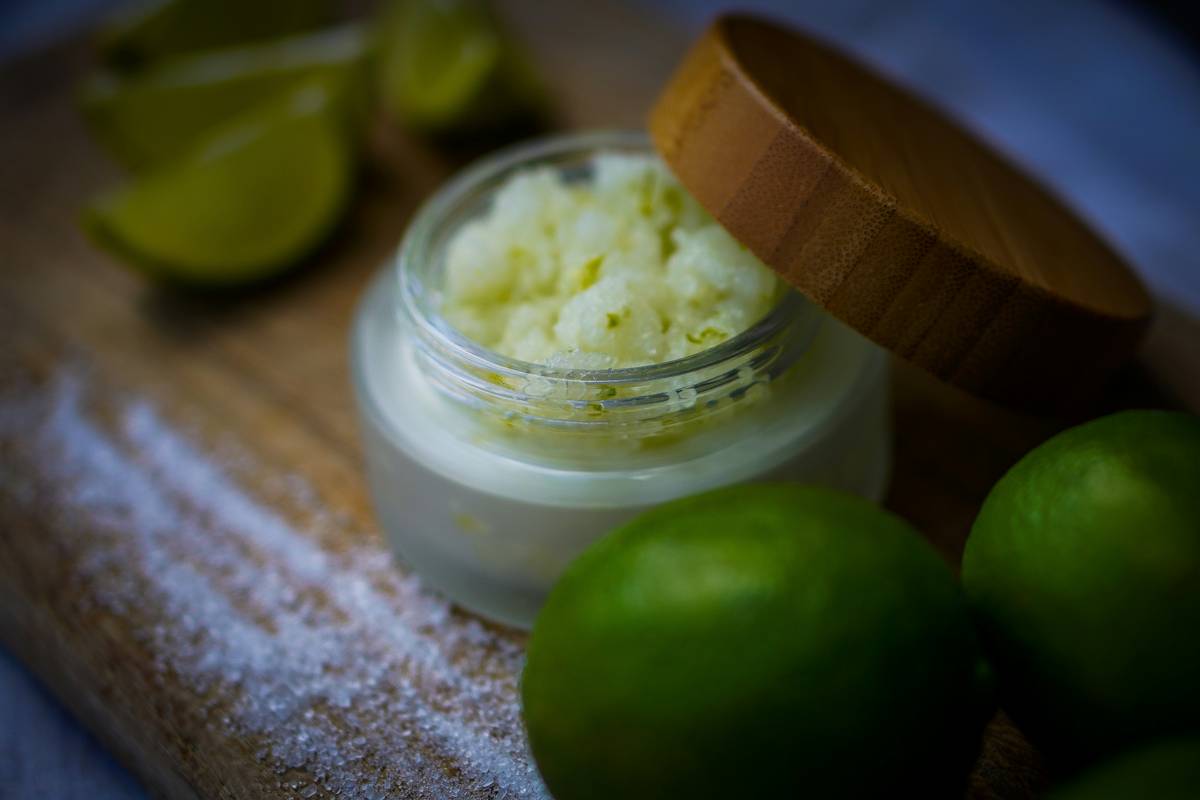
And here’s the kicker: according to the Environmental Working Group (EWG), the average conventional cosmetic contains 15+ potentially harmful ingredients—from formaldehyde-releasing preservatives to hormone-disrupting phthalates. Meanwhile, indie pioneers like Fat and the Moon use kitchen-grade herbs and oils you could literally eat (though please don’t).
Optimist You: “This is the future of beauty!”
Grumpy You: “Great, another thing to research while my concealer oxidizes into Oompa Loompa orange.”
How to Spot Real Indie Makeup vs. Corporate Imposters
Just because a brand uses earthy fonts and calls its blush “wild rose” doesn’t mean it’s indie. In fact, many so-called indie brands are quietly acquired by beauty giants—like how The Honest Company now belongs to SC Johnson. So how do you tell the real deal?
Who actually owns the brand?
Check the “About Us” page. Real indie founders will tell you their story—their kitchen experiments, their skin struggles, their why. If all you see is vague corporate speak (“empowering your glow”), run.
Are ingredients fully disclosed?
No “fragrance” loopholes. No INCI names hiding behind “botanical blend.” True indie brands list every single component—even if it’s just “beeswax, coconut oil, iron oxides.”
Is it certified—or just claiming?
Certifications like Leaping Bunny (cruelty-free), USDA Organic, or MADE SAFE add legitimacy. Note: “Vegan” ≠ non-toxic. You can have vegan makeup loaded with silicones and PEGs.
Confessional Fail: I once bought a $42 “indie” serum that claimed to be “hand-poured in Brooklyn.” Turns out, it was manufactured in a New Jersey contract facility also producing drugstore body wash. Lesson learned: trace the supply chain, not the aesthetic.
Best Practices for Choosing Truly Non-Toxic Indie Brands
Not all indie = automatically safe. Some small brands skip preservatives entirely, leading to microbial contamination (yes, mold in your mascara is a thing). Here’s how to choose wisely:
- Prioritize preservation science. Natural doesn’t mean preservative-free. Look for radish root ferment, sodium benzoate, or potassium sorbate—gentle, effective options.
- Avoid “greenwashed” ingredients. “Natural fragrance” can still contain allergens. Opt for brands using essential oils *sparingly* or none at all.
- Check for refill systems. Real sustainability isn’t just recyclable tubes—it’s reusable compacts. Brands like Saie offer refills that cut waste by 70%.
- Test patch rigorously. Even non-toxic ingredients can irritate sensitive skin. Patch test behind your ear for 48 hours.
- Beware of “miracle” claims. If it promises to “erase wrinkles in 3 days,” it’s either lying or hiding retinoids (which require medical oversight).
Terrible Tip Disclaimer: “Just buy anything labeled ‘organic’!” Nope. The FDA doesn’t regulate “organic” in cosmetics unless it’s USDA-certified—and even then, only 95% of ingredients need to qualify. Always read the full label.
Real Indie Makeup Success Stories (That Prove It Works)
Let’s spotlight brands that embody what indie makeup should be:
- Axiology: Founded by Ericka Rodriguez, this brand turns recycled paper into lipstick tubes and uses only 10 or fewer food-grade ingredients per product. Their Balmies are zero-waste, plastic-free, and glide like butter—without petrolatum.
- RMS Beauty: Started by makeup artist Rose-Marie Swift after she developed heavy metal toxicity from conventional products. RMS uses raw, food-grade oils and avoids nanoparticles—even in their mineral SPF.
- Kosas: While slightly larger, Kosas remains founder-led by Sheena Yaitanes, a neuroscientist who formulates based on skin biology, not trends. Their Revealer Concealer includes hyaluronic acid and peptides—proven actives, not fluff.
These aren’t just passion projects—they’re changing industry standards. When Axiology launched, zero-waste color cosmetics were niche. Now, even Sephora has a “Clean at Sephora” filter (though take that with a grain of sustainably harvested sea salt).
FAQ: What Is Indie Makeup?
Is indie makeup always non-toxic?
No. “Indie” refers to business structure, not ingredient safety. Always check formulations. However, most indie brands prioritize non-toxicity because they lack the legal teams to hide behind disclaimers.
Why is indie makeup often more expensive?
Small-batch production, ethical sourcing, and clean labs cost more. A conventional factory might pay $2/lb for mica; an ethical supplier charges $12+. You’re paying for integrity, not markup.
Can mainstream brands be indie?
No—if they’re owned by a parent company with over $10M revenue or distributed through mass retailers without creative control, they’ve graduated from indie status. Think: Glossier pre-L’Oréal investment vs. post.
Where can I buy authentic indie makeup?
Direct from brand websites, Credo Beauty, The Detox Market, or Follain. Avoid Amazon—counterfeits and expired stock abound.
Conclusion
So—what is indie makeup? It’s more than a label. It’s a commitment to transparency, ethics, and skin-safe innovation from people who care more about your health than hitting quarterly targets. Yes, it takes more effort to vet. Yes, your local Sephora won’t carry half these gems. But your skin (and the planet) will thank you.
Remember: clean beauty isn’t about perfection—it’s about progress. Start with one swap. Try a balmie instead of a bullet. Choose a brand that tells you where their mica comes from. That’s the indie spirit.
Rant Time: Can we retire the term “clean girl aesthetic” already? Real clean beauty isn’t minimalist beige—it’s vibrant, imperfect, and rooted in accountability. Also, if your “non-toxic” brand ships in unrecyclable glitter mailers, you’re part of the problem. Sustainability isn’t a vibe; it’s logistics.
Like a 2004 flip phone, indie makeup flips the script—no filters, just truth.