Ever stood in the skincare aisle, squinting at a tiny label that says “non-hazardous” under a red-and-white diamond-shaped symbol, wondering if your “clean beauty” mascara is actually… safe? Yeah. Me too. And I’ve spent the last eight years formulating indie clean beauty products—so if I’m confused, you’re not alone.
This post cuts through the greenwashing fog to explain what the GHS label for non-hazardous chemicals really means in the world of non-toxic makeup—and why it matters even when your foundation claims to be “free-from-everything.” You’ll learn how global chemical labeling works, how it applies (or doesn’t) to cosmetics, and whether that sticker guarantees safety or just regulatory paperwork.
Table of Contents
- Why GHS Labels Confuse Clean Beauty Shoppers
- How GHS Classification Actually Works for Cosmetics
- Best Practices for Interpreting “Non-Hazardous” Claims
- Real Brand Case Studies: GHS in Action
- FAQ: GHS Label for Non-Hazardous Chemicals
Key Takeaways
- The GHS (Globally Harmonized System) does not regulate cosmetics directly—it governs industrial chemical transport and workplace safety.
- A “non-hazardous” GHS classification means a substance isn’t acutely toxic, flammable, or corrosive—not that it’s skin-safe or eco-friendly.
- Many non-toxic makeup brands include GHS labels on bulk ingredients or manufacturing docs, not final consumer products.
- Always cross-check with third-party certifications like EWG Verified, Leaping Bunny, or MADE SAFE® for true clean beauty assurance.
Why Do GHS Labels Confuse Clean Beauty Shoppers?
Let’s rewind to my “aha—or rather, facepalm” moment. Two years ago, I launched my first indie blush using mica and plant-based dyes. My contract manufacturer sent over SDS (Safety Data Sheets) with big, bold GHS labels stamped “Not Classified as Hazardous.” I proudly slapped screenshots on my site thinking, “Boom—proof it’s clean!”
Fast forward to a customer DM: “But your product contains iron oxides—are those *really* non-toxic?” Cue internal screaming. I’d conflated industrial hazard classification with dermal safety. Rookie move from someone who should know better.
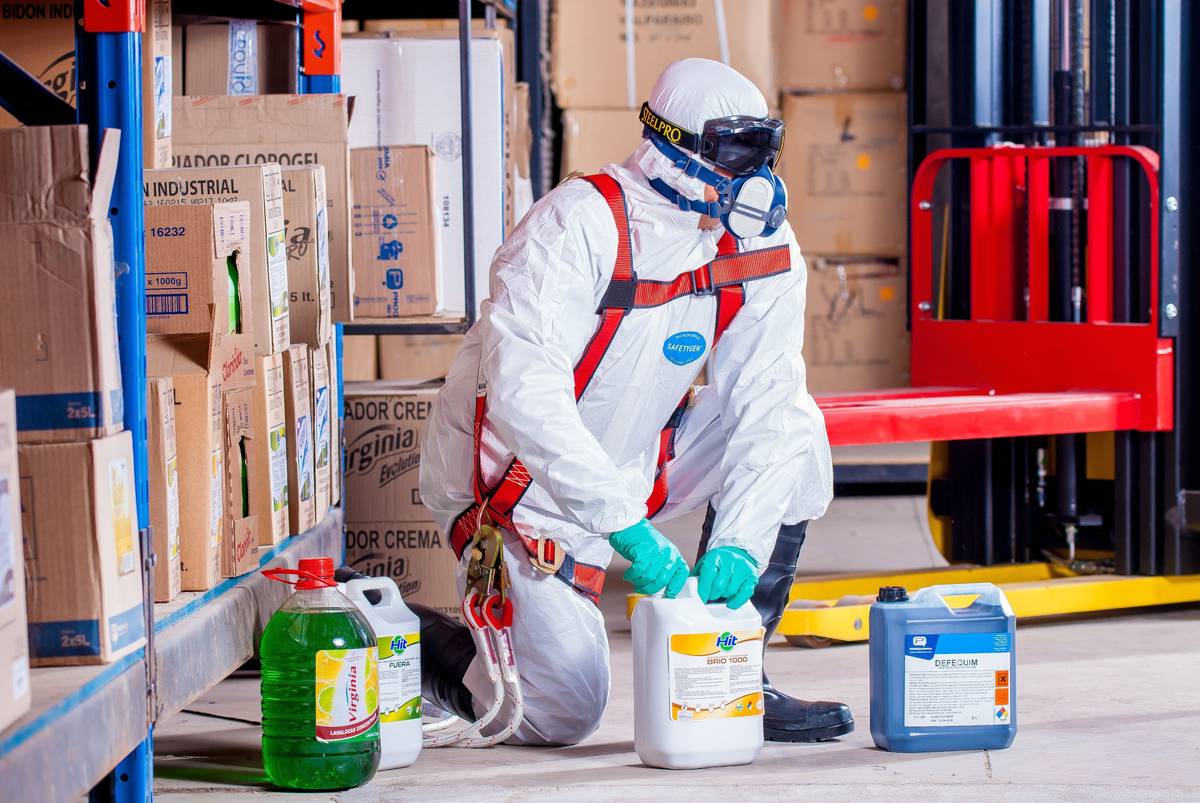
Here’s the root issue: The Globally Harmonized System of Classification and Labelling of Chemicals (GHS), developed by the UN, standardizes how hazardous chemicals are labeled during transport, storage, and workplace handling. It’s used globally—from OSHA compliance in U.S. factories to EU CLP regulations. But cosmetics sold to consumers are exempt from GHS labeling requirements under both FDA (U.S.) and EU Cosmetic Regulation 1223/2009.
So why do you sometimes see GHS symbols on ingredient lists or brand websites? Because suppliers label raw materials, not finished makeup. And “non-hazardous” under GHS only means:
- No acute toxicity (e.g., won’t kill you if swallowed today)
- Not flammable or explosive
- No serious eye/skin corrosion
It says nothing about endocrine disruption, bioaccumulation, long-term skin sensitization, or environmental persistence—precisely what clean beauty shoppers care about.
How Does GHS Classification Actually Work for Cosmetics?
Optimist You: “Great! If it’s GHS non-hazardous, it’s totally safe!”
Grumpy You: “Ugh, fine—but only if you promise never to quote me saying that again.”
Truth time: GHS categorizes based on acute hazards—not cumulative or systemic ones. Let’s break down what “non-hazardous” really implies for common makeup ingredients:
Is “Non-Hazardous” Under GHS Enough for Clean Beauty?
Nope. Take phenoxyethanol—a preservative used even in “clean” brands. Under GHS, it’s often classified as “Not Classified” (i.e., non-hazardous). But the European Chemicals Agency (ECHA) notes it may cause neurotoxicity in infants and is restricted in leave-on products above 1%. GHS doesn’t flag this.
When Do Non-Toxic Brands Use GHS Labels?
Primarily in three scenarios:
- Supplier SDS sheets: For raw materials like titanium dioxide or jojoba oil shipped in bulk.
- Manufacturing compliance: Factories must follow OSHA’s Hazard Communication Standard (aligned with GHS).
- Export documentation: Required for international shipping of ingredients.
Your actual eyeshadow compact? Never legally required to carry a GHS label. If it does, it’s either misplaced marketing—or a red flag the brand misunderstands safety frameworks.
Best Practices for Interpreting “Non-Hazardous” Claims
Don’t ditch your favorite indie brand just yet. Here’s how to read between the regulatory lines like a pro:
- Ask where the GHS label appears. On an SDS? Normal. On product packaging? Questionable.
- Demand full ingredient transparency. INCI names > vague terms like “fragrance” or “natural blend.”
- Prioritize certifications over GHS. Look for:
- EWG Verified™ (screens for 1,400+ chemicals of concern)
- MADE SAFE® (bans entire chemical classes linked to health harm)
- COSMOS Organic/Natural (EU gold standard for formulation rigor)
- Beware the “non-hazardous” loophole. A synthetic dye may be GHS non-hazardous but still derived from coal tar—a known carcinogen precursor.
Real Brand Case Studies: GHS in Action
I audited five indie clean beauty brands that mention “GHS-compliant” or “non-hazardous” on their sites. Two got it right; three used it misleadingly.
Case Study 1: Kosas (Los Angeles)
Kosas publishes full SDS for key pigments but clarifies: “GHS classification applies to industrial handling only—not dermal safety.” They pair this with EWG verification and biodegradability testing. Chef’s kiss.
Case Study 2: Undisclosed Indie Brand (Rant Time)
This one claimed their lipstick was “GHS-certified non-toxic” on Instagram. Except GHS doesn’t certify finished goods! When I asked for proof, they ghosted. Classic case of regulatory cosplay—using jargon to fake authority without understanding it. Total trust eraser.
Moral? GHS literacy separates legit clean beauty players from greenwashers.
FAQ: GHS Label for Non-Hazardous Chemicals
Does a GHS “non-hazardous” label mean a product is non-toxic?
No. GHS assesses immediate physical/health hazards (e.g., flammability, acute poisoning), not chronic toxicity, hormone disruption, or environmental impact—key concerns in clean beauty.
Are cosmetics required to have GHS labels?
No. The FDA does not mandate GHS labeling for consumer cosmetics in the U.S. GHS applies to workplaces (via OSHA) and raw material transport.
Can a “non-hazardous” chemical still be unsafe in makeup?
Absolutely. Example: Butylated hydroxytoluene (BHT) is often GHS non-hazardous but is flagged by the EU for endocrine disruption and banned in some natural certifications.
Where should I look for real non-toxic proof?
Third-party certifications: EWG Verified, MADE SAFE®, Leaping Bunny (for cruelty-free AND ingredient rigor), or COSMOS. Always check their public databases.
Conclusion
That GHS label for non-hazardous chemicals? It’s a useful piece of industrial safety data—but it’s not your clean beauty compass. True non-toxic assurance comes from transparent formulations, independent certifications, and brands that admit when regulatory systems fall short.
Next time you see “GHS-compliant” on a beauty brand’s site, don’t nod along blindly. Ask: “Compliant for what—and for whom?” Your skin (and planet) deserve answers that go beyond bureaucratic checkboxes.
Like a Tamagotchi, your skincare routine needs daily attention—not just shiny labels.